
The Altiora Perspective
Technology Changed Everything. People Didn't.
Part 2 – Why Clinical Research Is Still a Business Built on People.
When I look back over the last twenty-five years, one thing becomes immediately obvious.
Clinical research today is almost unrecognisable compared to the industry I entered in 1997. Back then, most documents were printed.
Study files filled entire rooms.
Monitoring reports and CRFs travelled by courier.
Internet connections were slow enough to make downloading a protocol feel like an achievement.
E-mail communication was considered informal.
Today we have electronic Trial Master Files.
Electronic signatures.
Cloud platforms.
Remote monitoring.
Artificial intelligence.
Risk-based quality management.
Real-time dashboards showing hundreds of project metrics.
From a technological perspective, our industry has transformed beyond recognition.
And that's a good thing.
Clinical trials today are safer, better documented and more transparent than ever before.
But something interesting happened along the way.
The more technology improved...the more valuable good people became.
Technology Solves Different Problems
Technology can tell you that a site has missed a deadline.
It cannot tell you why.
A dashboard can highlight recruitment numbers.
It cannot tell you whether an investigator has lost motivation.
A CTMS can generate hundreds of performance indicators.
It cannot replace a conversation that rebuilds trust after a difficult meeting.
The longer I work in clinical research, the more convinced I become that technology doesn't replace relationships.
It simply gives good people better tools.
Bigger Doesn't Always Mean Better
Over the years, clinical research has become increasingly centralised.
Global processes.
Global systems.
Global reporting.
Large organisations have achieved remarkable consistency by standardising almost everything.
There is enormous value in that.
But there is also a risk.
Sometimes information becomes so structured that it loses its context.
A red indicator on a dashboard may represent a delayed site activation.
To someone who knows the site, it may represent an investigator dealing with an unexpected hospital restructuring.
The data are accurate.
But they are incomplete.
Context still belongs to people.
We Started With Conversations
When Altiora was founded, there were very few systems.
There were very few procedures.
We used phones to talk. No TCs, just a phone call.
Sometimes the most valuable project meeting happened over a coffee in a hospital corridor.
Problems were solved because people trusted each other enough to speak honestly.
Looking back, I don't miss the paperwork.
I certainly don't miss fax machines.
But I do think we've occasionally replaced conversations with reports.
And reports rarely build relationships.
We were talking to each other. It builds relationships.
Trust Cannot Be Automated
Artificial intelligence will undoubtedly change clinical research.
Automation will remove repetitive tasks.
Technology will improve quality.
Processes will become faster.
I welcome that future.
But I don't believe technology will ever replace one essential element.
Trust.
Sponsors trust people.
Investigators trust people.
Patients trust people.
Clinical trials begin with science.
But they succeed because people work together.
The Real Competitive Advantage
People often ask what differentiates one CRO from another.
Technology?
Everyone has access to similar systems.
Processes?
Most follow the same regulations.
Quality standards?
They should.
The real difference has always been the people behind them.
Their judgement.
Their integrity.
Their willingness to take ownership.
Their ability to solve problems before they appear on a dashboard.
That has never changed.
And I suspect it never will.
Looking Forward
Over the next decade, clinical research will become even more digital.
Artificial intelligence will become part of everyday operations.
Data will become richer.
Systems will become smarter.
I look forward to all of it.
But I also hope we remember something we've known since the beginning.
Clinical research has never been built on technology alone.
It has always been built on people.
And perhaps that is the one thing that should never change.
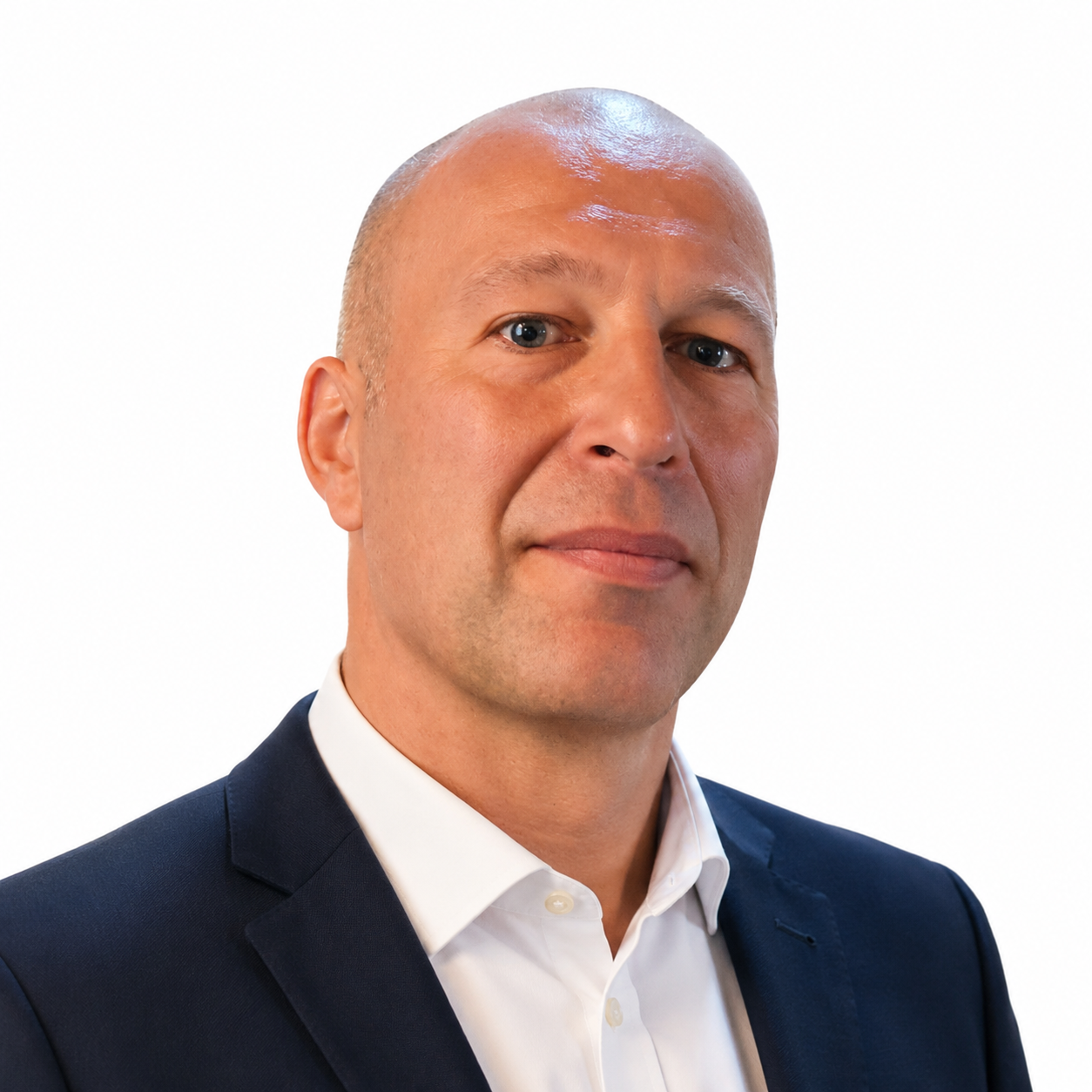
A personal reflection by Josip Aralica, MD, Founder & CEO of Altiora.
To be continued...


Komentari