
The Altiora Perspective
Nobody Teaches You How to Build a CRO
Part 3 – Learning to Build a Company While Building an Industry
When I founded Altiora in 2001, I wasn't only learning clinical research.
I was learning how to build a company.
Like most physicians, I had received years of medical education.
What I had never been taught was how to hire people, lead teams, manage cash flow, negotiate contracts, build quality systems or create an organisation that clients could trust.
Nobody teaches you that.
You simply learn because you have no alternative.
When you're thrown into deep water, you either learn to swim - or you drown.
The First Client Doesn't Build a Company
Winning your first project is exciting, but it doesn't build a business. The first project is simply someone placing their trust in you. The second project only comes if you've delivered the first one well. The third follows because someone remembers your work.
Only then do you begin building a company. And that's a completely different challenge.
When you work alone, you're responsible for your own performance. When you build a company, you're responsible for everyone else's. Your clients no longer trust only you.
They trust the system you've built.
My First Lesson in Quality Management
By 2008, Altiora had grown significantly.
I realised that if we wanted clients to receive the same level of quality regardless of who worked on a project, we needed a formal quality management system. So we decided to introduce ISO certification. Looking back, I believe we were among the first CROs in our region to do so.
The consultants arrived.
They certainly knew ISO.
What they didn't know was clinical research. The result was a beautifully written Quality Manual. It was also one of the most confusing documents I had ever read.
It reminded me of politicians. A lot of words. Very little meaning.
I read it several times. I still couldn't understand what it was actually telling us to do.
So I did what life had already taught me to do. I started learning again. I bought the ISO standard itself. The Quality Manual went into the bin.
And I wrote our own.
The consultants had a few comments. The auditors had almost none.
Annual ISO audits gradually became enjoyable conversations because we both understood the standard. The difference was that we also understood the work.
Eventually, in 2018, I decided that external certification had served its purpose.
The quality culture remained. The paperwork didn't.
Building People Is Harder Than Building Processes
Processes are relatively easy. People never are.
During Altiora's first seven years, nobody left the company. When you're building a small business, your colleagues become much more than employees.
They become part of your daily life. Your extended family.
The first resignation came as a genuine shock. It felt personal. Only later do you realise that companies grow just like families.
People get married. They move. They change priorities. They pursue new opportunities.
That's not failure. That's life.
Leadership means learning to accept that growth also means letting people grow beyond your own company.
The Two-Year Experience Paradox
One of the industry's longest-standing unwritten rules has always fascinated me.
Sponsors often require professionals with at least two years of clinical research experience. It sounds perfectly reasonable. Until you ask one simple question.
How does anyone gain those first two years?
The paradox becomes even greater because inexperienced people are often not allowed to attend sponsor-specific training, access systems or participate meaningfully in studies. They cannot gain experience because they first need experience.
Every industry has its catch-22.
This has always been ours.
Generalists and Specialists
Large organisations solve this differently. They divide work into increasingly specialised roles. Someone becomes an expert in one process. Someone else in another.
Over time, they become exceptionally good at their own piece of the puzzle.
There is nothing wrong with that.
In fact, it's often the most efficient model for large organisations.
We chose a different path.
At Altiora, we wanted people to understand the entire clinical trial - not just one task within it. We invested heavily in internal education because we believed that understanding the whole process creates better professionals, better judgement and better decisions. Our people learned how every stage connects to the next. That broad perspective became one of Altiora's greatest strengths. It also required patience.
Training people before they become fully billable creates a significant financial burden. You invest long before you see any return. But we always believed it was the right investment. Because clinical research is ultimately not built on procedures. It's built on people who understand why those procedures exist.
Looking Back
If I have learned one thing over the past twenty-five years, it is this:
Building a company has never been about creating the perfect organisational chart. It's about creating an environment where people can learn, take responsibility and eventually become better than you were when you started. That has always been my ambition. And perhaps that is Altiora's greatest achievement. Not the number of studies we've delivered. But the number of professionals who left us stronger than when they joined.
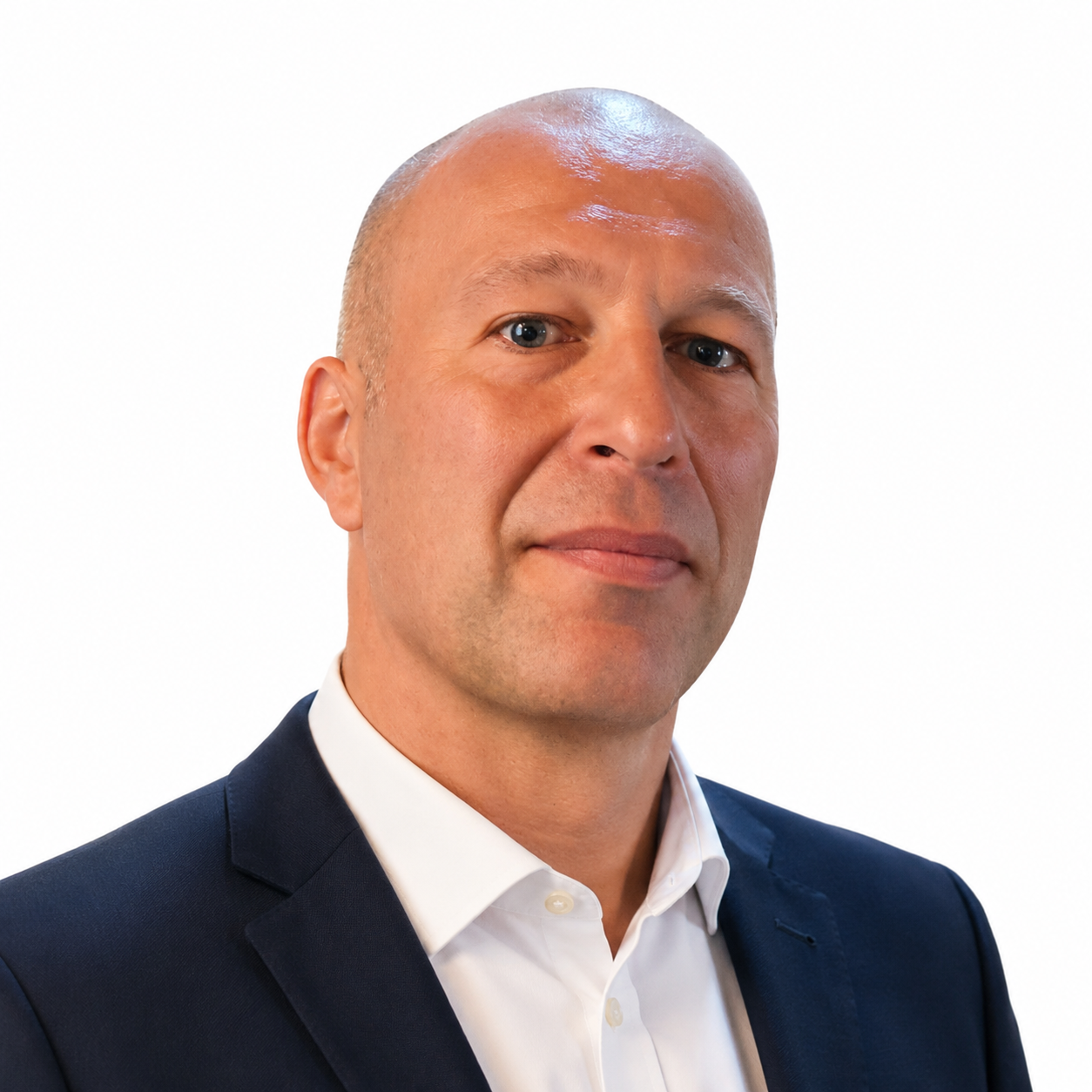
A personal reflection by Josip Aralica, MD, Founder & CEO of Altiora.
To be continued...


Komentari